From Fixer-Upper to Forever Home: How Renovation Loans Build Instant Equity and Save You Money
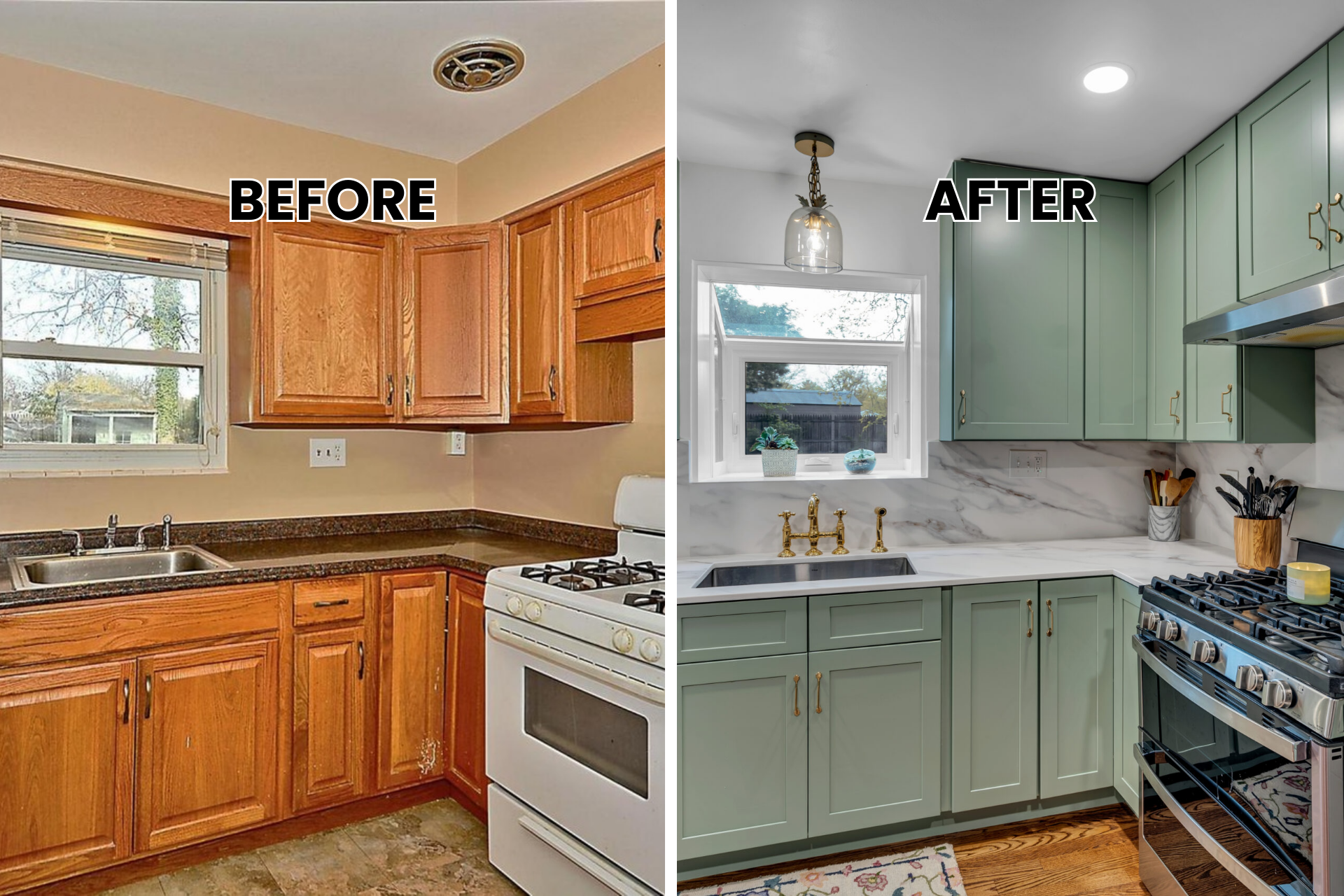
Picture this: You've found the perfect location, the right neighborhood, the ideal school district—but the house needs serious work. The kitchen is stuck in the 1980s, the bathrooms need a complete overhaul, and don't even get me started on the curb appeal.
Here's the beautiful truth most homebuyers don't know: You don't need to settle for a move-in ready home at a premium price. With a renovation loan, you can transform that diamond in the rough into your dream home while building instant equity from day one.

Table of Contents
- What Is a Renovation Loan?
- How Renovation Loans Build Instant Equity
- The Three Financing Options Compared
- Renovation Loan vs. HELOC: The Real Math
- Renovation Loan vs. Paying Cash
- Types of Renovation Loans
- Real Transformation Stories
- How to Get Started
- FAQs
What Is a Renovation Loan?
A renovation loan combines the purchase price of a home (or your existing mortgage in a refinance) with the cost of repairs and improvements—all rolled into one single mortgage with one monthly payment.
Instead of:
- Buying a home with one loan
- Then taking out a HELOC or personal loan for repairs
- Then refinancing to consolidate debt
You simply:
- Get one loan that covers purchase + renovation
- Make one payment at one (usually lower) interest rate
- Build equity immediately based on the home's after-renovation value
This is the secret weapon that savvy homebuyers and real estate investors have used for decades. Now it's your turn.
How Renovation Loans Build Instant Equity
Here's where renovation loans shine compared to traditional financing:
The Equity Math
Let's say you find a fixer-upper listed at $350,000 that needs $75,000 in renovations. After improvements, comparable homes in the neighborhood sell for $500,000.
With a Renovation Loan:
| Component | Amount |
|---|---|
| Purchase Price | $350,000 |
| Renovation Costs | $75,000 |
| Total Loan Amount | $425,000 |
| After-Repair Value (ARV) | $500,000 |
| Instant Equity Created | $75,000 |
| Equity as % of Value | 15% |
You've just created $75,000 in equity on day one—equity that would have cost you hundreds of thousands more if you bought a move-in ready home at market price.
Why This Matters for Your Wealth
- PMI Removal: With 15%+ equity, you're positioned to remove private mortgage insurance faster
- Future HELOC Access: That instant equity becomes a resource for future investments or emergencies
- Appreciation Multiplier: When the market rises 5%, your $500,000 home gains $25,000—not the $350,000 you paid
- Negotiating Power: Fixer-uppers have less competition, meaning better purchase prices
The Three Financing Options Compared
When you need to renovate a home, you have three main paths:
| Factor | Renovation Loan | HELOC After Purchase | Pay Cash |
|---|---|---|---|
| Interest Rate | 5.5% - 7% (mortgage rate) | 8% - 11% (variable) | 0% (but opportunity cost) |
| Tax Deductible | Yes (mortgage interest) | Partially | No |
| Timing | Funds available at closing | Must wait 6-12 months | Immediate |
| Risk Level | Low (fixed rate) | Medium (variable rate) | High (depletes savings) |
| Total Cost on $75K | ~$143,000 over 30 years | ~$180,000+ over 15 years | $75,000 + lost investment returns |
Renovation Loan vs. HELOC: The Real Math
Many homebuyers think they can just buy a house, then take out a HELOC to fund renovations. Here's why that strategy often backfires:
The HELOC Problem
Problem #1: The Waiting Game
Most lenders require you to own your home for 6-12 months before qualifying for a HELOC. That means:
- Living in a construction zone for months
- Paying for temporary housing while renovating
- Watching material costs rise with inflation
Problem #2: Higher Interest Rates
As of February 2026, here's the rate comparison:
| Loan Type | Average Rate | Rate Type |
|---|---|---|
| 30-Year Fixed Mortgage | 5.5% | Fixed |
| HELOC | 9.25% | Variable |
| Personal Loan | 12-18% | Fixed |
Problem #3: Variable Rate Risk
HELOCs typically have variable rates tied to the Prime Rate. If rates rise, your monthly payment rises too—sometimes dramatically.
Real Cost Comparison: $75,000 Renovation
Option A: Rolled Into Renovation Loan at 5.5%
| Year | Principal Paid | Interest Paid | Total Cost |
|---|---|---|---|
| 1-10 | $12,450 | $37,550 | $50,000 |
| 11-20 | $22,890 | $27,110 | $50,000 |
| 21-30 | $39,660 | $10,340 | $50,000 |
| Total | $75,000 | $75,000 | $150,000 |
Monthly payment: ~$425 (included in mortgage)
Option B: HELOC at 9.25% (15-year draw + repayment)
| Period | Interest Paid | Monthly Payment |
|---|---|---|
| Years 1-10 (draw) | Variable, ~$6,900/yr | ~$575/mo interest-only |
| Years 11-15 (repayment) | ~$22,000 | ~$1,625/mo P&I |
| Total Cost | ~$91,000+ | — |
The Renovation Loan Advantage:
- Save $40,000+ in interest over the life of the loan
- Lock in a fixed rate instead of gambling on variable rates
- One payment instead of juggling two loans
- Start renovating immediately instead of waiting a year
Renovation Loan vs. Paying Cash
"Why not just pay cash for the renovation?" It's a fair question. Here's the analysis:
The Opportunity Cost Problem
If you have $75,000 in savings, you could:
Option A: Pay Cash for Renovation
- Spend $75,000 on renovation
- No loan payments
- No interest paid
- BUT: That $75,000 is no longer working for you
Option B: Finance Renovation, Invest the Cash
- Finance $75,000 at 5.5% = ~$425/month over 30 years
- Invest $75,000 in S&P 500 index fund
- Historical average return: ~10% annually
The Numbers Over 30 Years
| Strategy | Value at Year 30 |
|---|---|
| Pay cash (invest nothing) | $0 liquid assets |
| Finance + invest $75K at 10% | $1,308,000 in investments |
| Less: Total interest paid | -$75,000 |
| Net Wealth Advantage | +$1,233,000 |
This is why wealthy investors always say: "Use other people's money."
The Emergency Fund Factor
Depleting $75,000 from savings creates risk:
- What if you lose your job?
- What if you have a medical emergency?
- What if the renovation uncovers bigger problems (it often does)?
With a renovation loan, you preserve your liquidity while still achieving your renovation goals.
Types of Renovation Loans
Not all renovation loans are created equal. Here's your guide to the main options:
FHA 203(k) Loan
The FHA 203(k) is the most popular renovation loan for first-time buyers:
Standard 203(k)
- Minimum $5,000 in repairs
- No maximum repair limit
- Requires HUD consultant for projects over $35,000
- Covers structural repairs, additions, energy improvements
Limited 203(k) (Streamline)
- Up to $35,000 in repairs
- No HUD consultant required
- Faster processing
- Cosmetic and non-structural repairs only
| Feature | Standard 203(k) | Limited 203(k) |
|---|---|---|
| Min Credit Score | 580 | 580 |
| Down Payment | 3.5% | 3.5% |
| Max Repair Amount | No limit | $35,000 |
| Structural Work | Yes | No |
| Timeline | 60-90 days | 30-45 days |
Fannie Mae HomeStyle Renovation
This conventional loan option offers more flexibility:
- Credit score: 620+ minimum (740+ for best rates)
- Down payment: As low as 3%
- Repair limit: Up to 75% of the completed home value
- Property types: Primary, second home, or investment property
- Luxury upgrades: Pools, landscaping, outdoor kitchens allowed
Freddie Mac CHOICERenovation
Similar to HomeStyle with a focus on resilience improvements:
- Hurricane shutters
- Fire-resistant roofing
- Foundation reinforcement
- Flood-proofing
VA Renovation Loan
For veterans and service members, the VA renovation loan offers:
- No down payment required
- No PMI ever
- Competitive interest rates
- Renovation costs up to 25% of home value
Learn more about VA loan benefits →
Real Transformation Stories
The Kitchen That Changed Everything
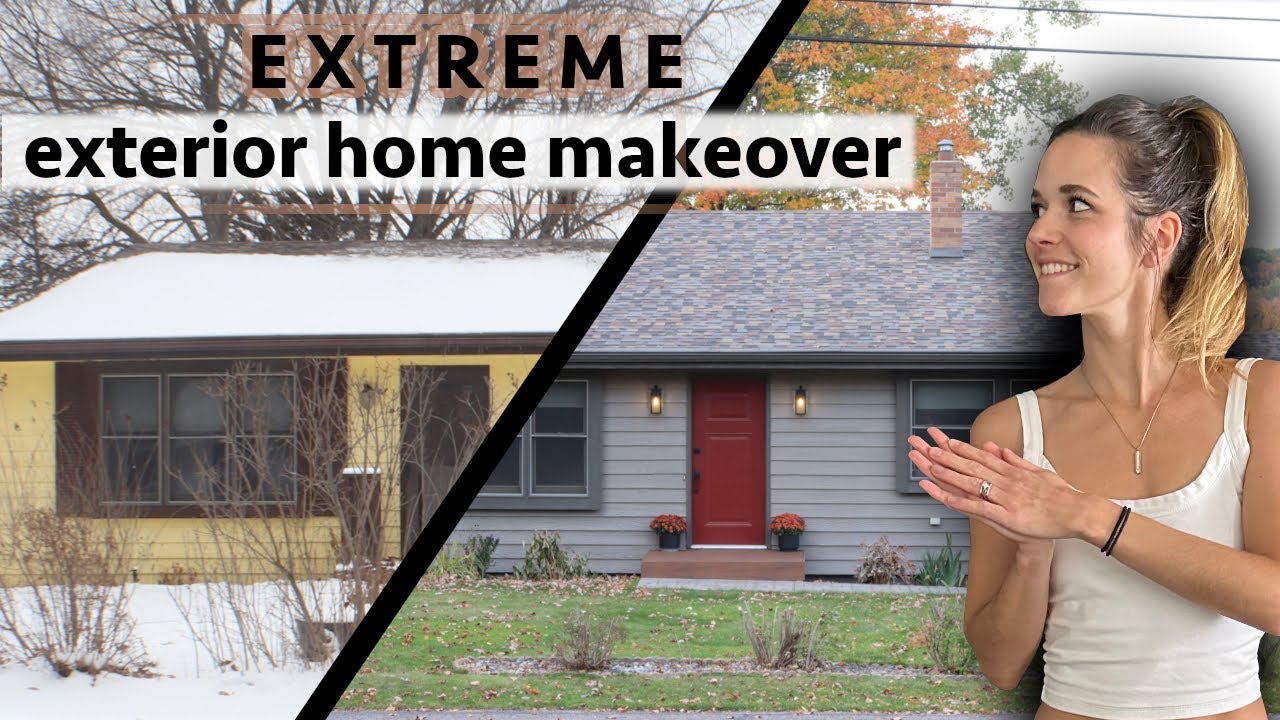
The Martinez Family - Phoenix, AZ
When the Martinez family found a 1970s ranch home in a desirable school district, the kitchen was the dealbreaker. Dark oak cabinets, laminate counters, and appliances from the Clinton administration.
Their Numbers:
- Purchase price: $425,000
- Renovation budget: $55,000 (kitchen, bathrooms, flooring)
- Total financed: $480,000
- After-repair appraisal: $575,000
- Instant equity: $95,000
"We would have paid $550,000+ for a similar move-in ready home," says Maria Martinez. "Instead, we got exactly what we wanted AND built $95,000 in equity."
The First-Time Buyer Strategy
David Chen - Sacramento, CA
David was competing against cash buyers in Sacramento's competitive market. His secret weapon? Looking at homes other buyers overlooked.
His Strategy:
- Found a home with "ugly" cosmetic issues
- Offered purchase price: $385,000 (10% below asking)
- Renovation loan: $40,000 for paint, floors, fixtures
- Total investment: $425,000
- Current value: $495,000
"Other buyers saw problems. I saw opportunity," David says. "The renovation loan made it possible to turn a house nobody wanted into my dream home."
The Investor's Edge
Sarah Thompson - Austin, TX
Sarah used a DSCR renovation loan to purchase and renovate a rental property:
- Purchase: $280,000
- Renovation: $45,000
- Total: $325,000
- Market rent after renovation: $2,450/month
- ARV: $395,000
Her cash-on-cash return jumped from 6% to 11% thanks to the higher rent commanded by the renovated property.
The Renovation Loan Process: Step by Step
Step 1: Get Pre-Qualified
Before house hunting, get pre-qualified for a renovation loan. This tells you:
- Maximum purchase price
- Maximum renovation budget
- Your estimated interest rate
- Monthly payment expectations
Step 2: Find Your Fixer-Upper
Work with a real estate agent who understands renovation loans. Look for:
- Good bones and location
- Cosmetic issues that scare away other buyers
- Structural problems you can budget for
- Properties priced below market due to condition
Step 3: Create Your Renovation Plan
Work with contractors to develop:
- Detailed scope of work
- Line-item budget
- Realistic timeline
- Contingency for surprises (always budget 15-20% extra)
Use our Rehab Calculator to estimate your total project cost and potential equity.
[EMBED_REHAB_CALCULATOR]
Step 4: Get Your Appraisal
The lender orders a "subject to" appraisal that values the home after renovations are complete. This is how you qualify for more than the current value.
Step 5: Close and Start Renovating
Once you close:
- Renovation funds are held in escrow
- Contractor draws are released as work progresses
- Final inspection releases remaining funds
- You move into your transformed home
Who Should Consider a Renovation Loan?
Perfect Candidates:
✅ First-time buyers priced out of move-in ready homes
✅ Move-up buyers who want to customize their next home
✅ Investors looking for value-add opportunities
✅ Homeowners wanting to renovate without touching savings
✅ Veterans using VA renovation loans for zero down
When to Consider Alternatives:
❌ You need to move in immediately (renovation loans have longer timelines)
❌ The property has serious structural issues and you're a first-time buyer
❌ You have excellent credit and substantial savings (sometimes conventional loans are simpler)

FAQs About Renovation Loans
How long does a renovation loan take to close?
Typically 45-60 days for a purchase, slightly longer than a conventional loan. FHA 203(k) Standard loans may take 60-90 days due to HUD consultant requirements.
Can I do the renovation work myself?
Generally, no. Most programs require licensed contractors. Some limited DIY may be allowed for non-structural work, but labor costs won't be financed—only materials.
What if the renovation costs more than expected?
This is why we recommend budgeting 15-20% contingency. If you exceed your budget, you'll need to cover the difference out of pocket or reduce scope.
Do renovation loans have higher interest rates?
Slightly—typically 0.25% to 0.5% higher than standard mortgages. However, this is still far lower than HELOC or personal loan rates.
Can I use a renovation loan to add an ADU?
Yes! HomeStyle and CHOICERenovation loans can finance accessory dwelling units up to 75% of the completed value.
What's the minimum credit score?
- FHA 203(k): 580 minimum (500 with 10% down)
- HomeStyle/CHOICERenovation: 620 minimum
- VA Renovation: No VA minimum, but lenders typically require 620+
Why Work With Emmett Clark for Your Renovation Loan?
Renovation loans are more complex than standard mortgages. You need a loan officer who:
- Understands the programs inside and out
- Has relationships with appraisers who do "subject to" valuations
- Communicates clearly throughout the process
- Has closed hundreds of renovation loans across multiple states
With over 20 years of experience and licensing in 20 states, I've helped buyers transform fixer-uppers into dream homes from California to Texas and everywhere in between.
Ready to Turn Your Fixer-Upper Into a Forever Home?
Stop paying a premium for someone else's renovation choices. With a renovation loan, you can:
- Buy below market value
- Customize exactly to your taste
- Build instant equity
- Save tens of thousands compared to HELOC financing
Your next step: Get pre-qualified today or call me directly at (408) 393-2068 to discuss your renovation loan options.
Emmett Clark | NMLS #233747 | Loan Factory • NMLS #2545
Licensed in AZ, CA, CO, FL, HI, ID, IA, KS, KY, MO, OR, PA, TN, TX, UT, VA, WA, AL, and NV
Related Articles:

Emmett Clark
Licensed Mortgage Loan Officer · NMLS #233747 · 20+ Years Experience
This article has been reviewed for accuracy by Emmett Clark, a licensed mortgage professional serving homebuyers across 18 states including California, Texas, Florida, Arizona, and Colorado. Last updated: February 20, 2026.
About Emmett NMLS #233747
Emmett Clark (NMLS #233747) is a licensed mortgage professional with 20+ years of experience helping families achieve their homeownership dreams. Licensed in 18 states nationwide, Emmett specializes in finding the right mortgage solution for each client's unique situation. Powered by Loan Factory, Emmett provides access to competitive rates and a wide variety of loan programs including conventional, FHA, VA, and down payment assistance programs.
Work with Emmett