Jumbo Home Loans
When the home you want costs more than standard conforming limits allow, a jumbo loan bridges the gap. As an independent mortgage broker, I help buyers finance luxury and higher-priced homes with competitive rates, flexible structures, and underwriting that fits real financial lives — including self-employed and asset-rich borrowers.

What Is a Jumbo Loan?
A jumbo loan is simply a mortgage that exceeds the annual conforming loan limits set by the Federal Housing Finance Agency. Because loans above those limits can’t be sold to Fannie Mae or Freddie Mac, they’re funded and underwritten to each investor’s own guidelines. In practice, that means slightly stronger credit, income, and reserve requirements — in exchange for the ability to finance homes that conventional loans simply can’t reach.
Jumbo financing isn’t only for sprawling estates. In higher-cost markets, everyday move-up homes routinely cross the conforming threshold, making jumbo loans a practical tool for a wide range of buyers. The key is working with a broker who can compare multiple investors and structure the loan around your complete financial picture rather than a one-size-fits-all box.
Why Choose a Jumbo Loan
High-Value Financing
Finance luxury and higher-priced homes that exceed conforming loan limits, with loan amounts well into the millions for qualified buyers.
Flexible Property Types
Primary residences, second homes, and investment properties — jumbo programs are available across a range of property and occupancy types.
Competitive Terms
Fixed and adjustable-rate options with pricing that is often on par with conforming loans for strong borrowers.
Tailored Underwriting
Solutions for self-employed borrowers, complex income, and asset-based qualification when standard documentation doesn’t tell the whole story.
Typical Jumbo Loan Requirements
- Credit score typically in the 700s (varies by program and loan size)
- Down payment generally 10–20% or more
- Several months of cash reserves after closing
- Documented income and manageable debt-to-income ratio
- Full appraisal supporting the home’s value
Requirements vary by program and loan size. Even if you don’t meet every guideline above, it’s worth reviewing your specific scenario — alternative documentation and asset-based programs exist for many borrowers.
Estimate Your Monthly Payment
Monthly Payment Calculator
Calculate your estimated monthly mortgage payment including taxes, insurance, and HOA dues
Annual % of home price. Adjust in eighths (0.125%).
Annual % of home price. Adjust in eighths (0.125%).
Flat monthly homeowner association dues.
Jumbo Loan FAQs
What is a jumbo loan?
A jumbo loan is a mortgage that exceeds the conforming loan limits set each year by the Federal Housing Finance Agency. Because these loans cannot be purchased by Fannie Mae or Freddie Mac, they are underwritten to the lender’s own standards — which typically means stronger credit, income, and reserve requirements in exchange for financing higher-value homes.
How much can I borrow with a jumbo loan?
Jumbo financing is available well into the multi-million-dollar range for qualified borrowers. The exact amount depends on your income, credit profile, down payment, cash reserves, and the property. We help you structure a loan sized to both the home and your long-term financial picture.
What credit score and down payment do I need?
Most jumbo programs look for a credit score in the 700s and a down payment of 10–20% or more, along with several months of cash reserves. Requirements vary by program and loan size, so it is worth reviewing your specific scenario before assuming you don’t qualify.
Are jumbo loan rates higher than conforming rates?
Not necessarily. Jumbo rates are often competitive with — and sometimes lower than — conforming rates, especially for borrowers with strong credit and substantial reserves. We shop multiple investors to find the most competitive pricing for your profile.
Ready to Finance Your Next Home?
Get a personalized jumbo loan quote and see how competitive high-value financing can be.
Emmett Clark, NMLS #233747
From the blog & learning center
Home Buying Guides

Condo Loan Denied Over the HOA? FHA Single Unit Approval May Save the Deal
If your condo loan was denied because of the HOA project itself, not your credit, FHA Single Unit Approval may still get you to closing. Here is how it works.
Read more
How to Buy a House After Divorce
Buying after divorce means untangling the old mortgage, documenting support income, and qualifying on your own. Here is how to prepare and what lenders look at.
Read more
FHA-Approved Condos in Hawaii: Why the List Is Short, and How to Find One
Only a small number of Hawaii condos are FHA-approved, so you must confirm a unit qualifies before you fall in love with it. Here is how FHA condo approval works in Hawaii.
Read more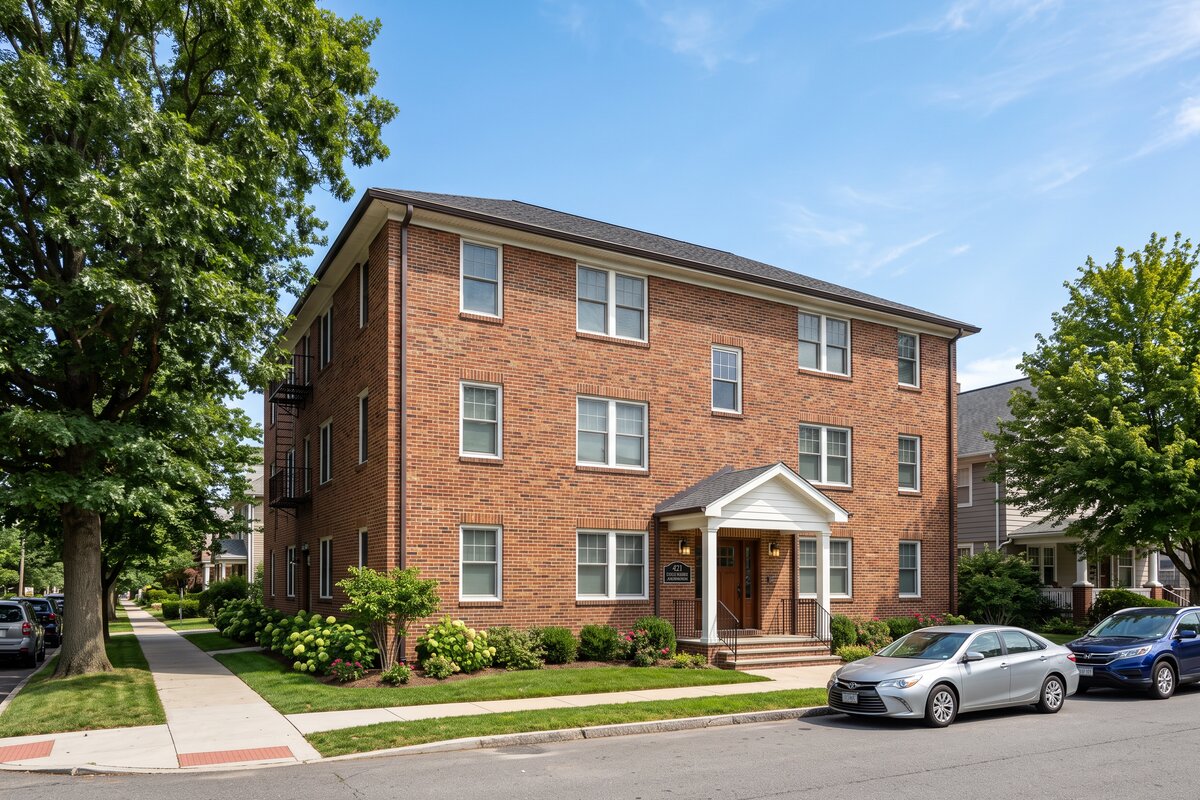
Can You Buy a 5 to 8 Unit Property With an FHA Loan?
No. FHA financing caps at 4 units. A 5-unit-or-larger building is commercial and needs different financing. Here is why, and what to use instead.
Read more
Buying a House After Bankruptcy: Real Waiting Periods by Loan Type
FHA and VA require 2 years after Chapter 7, USDA 3, conventional 4. Chapter 13 can qualify after 12 months of payments, and one program works during bankruptcy.
Read more
Buying After Foreclosure or Short Sale: The Real Timelines
After foreclosure, VA requires 2 years, FHA and USDA 3, conventional 7. Short sales are shorter, and some paths skip the waiting period entirely.
Read more