Texas USDA Loans 2026
Yes, eligible Texas buyers can purchase a home with zero down payment through a USDA loan, and over 90% of Texas by land area qualifies. Eligibility is based on the property's location and your household income, not a loan limit, so many suburbs and rural areas outside the major metros are eligible.
Everything's bigger in Texas, including USDA eligibility. With over 90% of the Lone Star State qualifying for rural development financing, 100% financing is within reach whether you're eyeing Hill Country acreage, East Texas pines, or a growing suburb outside the major metros.
Which parts of Texas are USDA eligible?
Over 90% of Texas by land area is USDA eligible, including the Hill Country, East Texas, South Texas, the Panhandle, and many outer suburbs of the major metros. Texas leads the nation in USDA loan volume for good reason, with vast stretches of the state qualifying, from the piney woods of East Texas to the ranches of the Hill Country. Even fast-growing suburbs often remain USDA-eligible until population thresholds are crossed. Here's how USDA maps property eligibility so you can check an address before you fall in love with it.
| Region | Sample Counties/Areas | Availability |
|---|---|---|
| Texas Hill Country | Blanco, Burnet, Gillespie, Llano, Mason, Kerr | High Eligibility |
| East Texas | Tyler, Nacogdoches, Lufkin, Longview (outskirts), Henderson | High Eligibility |
| South Texas | Laredo area, Rio Grande Valley (rural), Uvalde, Eagle Pass | High Eligibility |
| Panhandle | Amarillo suburbs, Lubbock area, Midland/Odessa outskirts | Moderate |
| DFW Outer Suburbs | Waxahachie, Rockwall (parts), Kaufman, Terrell | Limited Areas |
| Houston Outer Ring | Montgomery (north), Waller, Grimes, Washington | Limited Areas |
Hill Country Living
Fredericksburg, Kerrville, Marble Falls. The Texas Hill Country offers stunning limestone landscapes with widespread USDA eligibility. Wine country properties often qualify for zero-down financing.
East Texas Piney Woods
From Tyler to Nacogdoches, East Texas combines affordable pricing with natural beauty. USDA loans here often finance homes 40-50% below DFW/Houston prices.
Growing Suburbs
Communities like Waxahachie, Weatherford, and Conroe offer suburban conveniences with USDA eligibility, ideal for commuters priced out of metro cores.
Texas USDA Income Limits (2026)
USDA guaranteed-loan income limits are based on area median income and apply to your total household. Texas's generally lower cost of living means many working families qualify in most eligible areas.
2026 Standard USDA Income Limits (Most Texas Areas)
1-4 Person Household
$122,800
5-8 Person Household
$162,100
This is the standard limit for most areas. Some high-cost Texas metros are higher, so we confirm the property's county at pre-approval. Full USDA guide →
Explore Texas Financing by Region
Not USDA-eligible? We also broker Texas FHA loans with 3.5% down and conventional loans with removable PMI, plus VA options across every Texas region:
"We fell in love with a 5-acre property in the Hill Country but didn't have 20% down. Emmett showed us it was USDA-eligible, so we got 100% financing and now wake up to deer in our backyard every morning."
Sarah & Tom B.
USDA Loan, Blanco County TX
Ready to Explore Texas USDA Loans?
I can check any Texas address against the USDA eligibility map in minutes. Even if you've been told "no" before, let's verify, because Texas boundaries can be surprising.
Texas USDA Loan FAQs
What areas in Texas are USDA eligible?
Texas has extensive USDA eligibility with over 90% of the state's geographic area qualifying. Popular eligible regions include the Hill Country, East Texas, South Texas, the Panhandle, and many suburbs outside of DFW, Houston, Austin, and San Antonio metros.
What are the income limits for Texas USDA loans?
Texas USDA income limits vary by county. For 2026, the standard guaranteed-loan limit is $122,800 for a 1-4 person household and $162,100 for a 5-8 person household in most areas. Some high-cost Texas metros are higher, so we confirm the property's county at pre-approval.
Can I get a USDA loan near Houston or Dallas?
While core urban areas of Houston and Dallas are not USDA-eligible, many outer suburbs and nearby communities qualify. Areas like Conroe, Montgomery, Waxahachie, and Rockwall County have USDA-eligible zones. We can check specific addresses for eligibility.
What credit score do I need for a Texas USDA loan?
Texas USDA loans typically require a minimum credit score of 640 for automated underwriting approval. Scores between 580-639 may qualify through manual underwriting with additional documentation and compensating factors.
From the blog & learning center
USDA Loan Guides & Articles

Gift Funds: The Rules for Down Payment Gifts
A family member can give you money for your down payment, and on most loan types the entire down payment can be a gift. The key rules: it has to be a true gift with no repayment expected, it must come from an acceptable source, and it has to be documented with a gift letter and a clear paper trail.
Read moreSeller Concessions: How Much Can the Seller Pay?
A seller concession is when the seller agrees to pay part of your closing costs as a term of the sale. It's a legitimate, common way to reduce your cash to close, and depending on the loan type and your down payment, a seller can contribute anywhere from 2% to 9% of the purchase price toward your costs.
Read moreWhat Credit Score Do You Need for Each Loan Type?
The minimum credit score depends entirely on the loan program: FHA goes as low as 500-580, VA and USDA have no federal minimum (lenders typically want 580-640), conventional generally starts around 620, and jumbo loans want 700 or higher. Here's the breakdown by program.
Read more
How Can You Buy a House With No Money Down?
Two true zero-down loans exist: VA for veterans and military, and USDA for eligible rural and suburban homes. A few other paths get you close.
Read more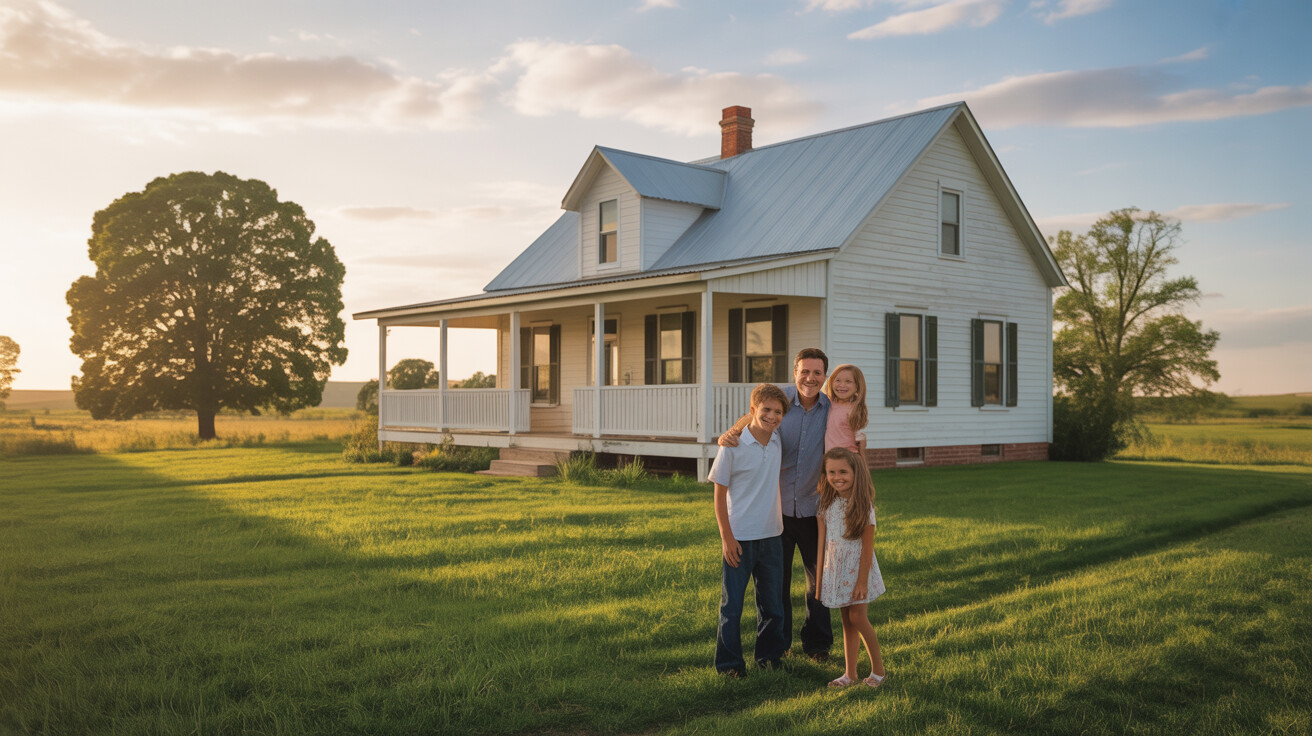
USDA Loan Income Limits 2026: How Much You Can Earn and Still Qualify
The 2026 USDA income limit is $112,450 for a 1-4 person household in most of the country, and $148,450 for a 5-8 person household, higher than most people assume.
Read more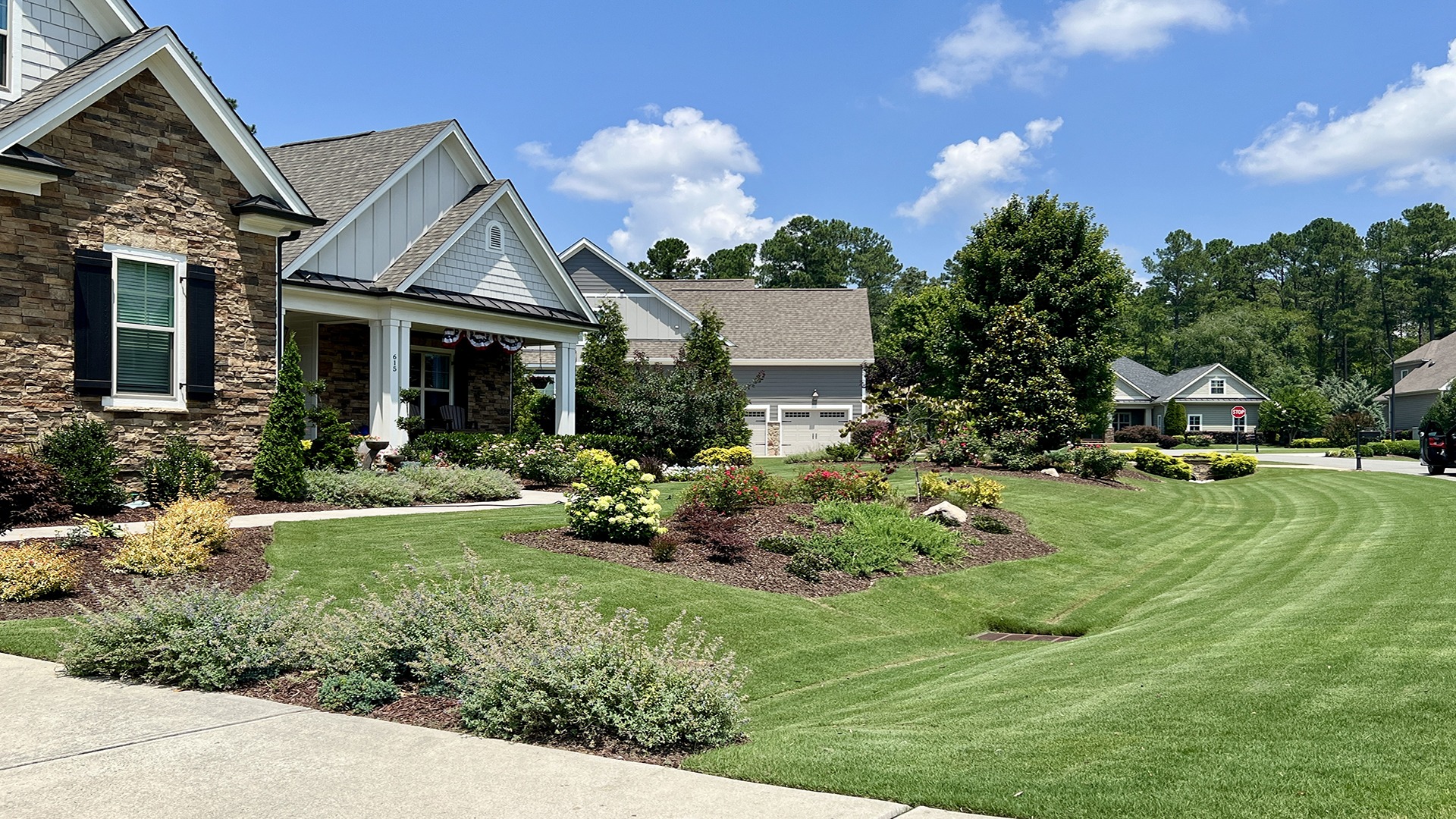
Is My Address USDA Eligible? How the Rural Map Actually Works
Roughly 97% of U.S. land area is USDA-eligible, including far more suburbs than people expect. Eligibility comes down to your exact street address, not your zip code.
Read more