California Conventional Loans 2026
Conventional mortgages offer California homebuyers the most flexibility with conforming limits up to $1,249,125, removable PMI, and competitive rates for well-qualified borrowers. The gold standard for home financing.
Yes, California buyers can get a conventional loan with as little as 3% down, and its PMI is removable at 20% equity, unlike FHA. High-balance conforming limits reach $1,249,125 in California's high-cost counties. And first-time buyers under the area income limit can use the Price Equalizer to get elite pricing regardless of down payment. As a broker with access to 240+ wholesale lenders, I help California buyers structure conventional financing to remove PMI fast and price it well. Learn how to get rid of PMI, explore the first-time buyer Price Equalizer, or start with a pre-approval.
What are today's conventional rates in California?
Today’s 30-Year Fixed (Conventional) Rate
Conventional – Primary Residence
Rate Assumptions
30 year fixed, $300k loan amount, $400k value, purchase, FICO Credit Score 759, Zipcode 95111
APR & Disclosures
The Annual Percentage Rate (APR) shown reflects the cost of credit over the loan term, including applicable fees, and is based on the assumptions above. Your actual rate and APR depend on your credit profile, loan amount, property, occupancy, and other factors. For information purposes only and does not constitute a loan approval or commitment to lend. Rates are subject to change without notice.
Can first-time buyers get elite pricing with a small down payment?
The California Price Equalizer
Yes. California's high-cost markets carry the steepest Loan-Level Pricing Adjustments in the country, the fees that normally penalize a smaller down payment. A Fannie Mae rule waives them entirely for first-time buyers whose qualifying income is at or below the area limit, which in California's high-cost metros rises to 120% of Area Median Income. That means a qualifying first-time buyer with 3, 5, or 10% down can be priced the same as someone putting 40% down. We call it the Price Equalizer. In San Jose, the nation's highest limit, a household earning up to $177,643 can qualify.
See how the Price Equalizer works, and check your area's limitAMI figures are pulled from the current Fannie Mae area limits. Because AMI is address-specific, always confirm your exact limit for your address.
What are the California conforming loan limits for 2026?
Conforming loans are backed by Fannie Mae and Freddie Mac, offering better rates than jumbo loans. Limits increased for 2026 in most California counties.
| County | 2026 Limit | 2025 Limit | Change |
|---|---|---|---|
San Francisco | $1,249,125 | $1,209,750 | +$39,375 |
Los Angeles | $1,249,125 | $1,209,750 | +$39,375 |
Santa Clara | $1,249,125 | $1,209,750 | +$39,375 |
Orange | $1,249,125 | $1,209,750 | +$39,375 |
San Diego | $1,104,000 | $1,077,550 | +$26,450 |
Alameda | $1,249,125 | $1,209,750 | +$39,375 |
Sacramento | $832,750 | $806,500 | +$26,250 |
Riverside | $832,750 | $806,500 | +$26,250 |
Verified as of July 2026 (FHFA/HUD)
Need More Than $1.2M?
For loans above conforming limits, we offer competitive jumbo financing with rates as low as conventional for well-qualified borrowers.
Conventional or FHA: which is better in California?
- PMI can be removed at 20% equity
- No upfront mortgage insurance fee
- Lower total cost with 700+ credit
- Better rates with 740+ credit
- No property condition requirements
- 3.5% down with 580 credit score
- More flexible credit guidelines
- Higher DTI allowed (up to 50%)
- ✗MIP for life of loan (most cases)
- ✗1.75% upfront MIP required
How do you remove PMI on a California conventional loan?
Unlike FHA loans, conventional mortgage insurance can be removed, saving you thousands over time.
20% Down = No PMI
Put 20% down and skip PMI entirely. On a $900,000 Bay Area home, that's $180,000 down but saves $350-$500/month in PMI.
Automatic PMI Removal
PMI automatically terminates at 78% LTV based on original amortization schedule, or request removal at 80% with a new appraisal.
Lender-Paid MI (LPMI)
Accept a slightly higher rate (0.125-0.25%) in exchange for no monthly PMI. Good if you plan to refinance or sell within 5-7 years.
80-10-10 Piggyback
80% first mortgage + 10% HELOC + 10% down = no PMI. Popular strategy in California's high-cost markets.
Estimate Your California Monthly Payment
California's 2026 conforming loan limit is $1,249,125 for a single-unit home. Adjust the price, down payment, rate, and term to see your full monthly payment.
Monthly Payment Calculator
Calculate your estimated monthly mortgage payment including taxes, insurance, and HOA dues
Annual % of home price. Adjust in eighths (0.125%).
Annual % of home price. Adjust in eighths (0.125%).
Flat monthly homeowner association dues.
California Conventional Loan FAQs
What is the conforming loan limit in California for 2026?
The 2026 conforming loan limit in California ranges from $832,750 in standard counties to $1,249,125 in high-cost areas including San Francisco, Los Angeles, Orange County, and the Bay Area. Loans above these limits require jumbo financing.
How can I avoid PMI on a California conventional loan?
You can avoid PMI on California conventional loans by putting 20% or more down, using lender-paid mortgage insurance (LPMI) with a slightly higher rate, piggyback loans (80-10-10), or requesting PMI removal once you reach 20% equity through payments or appreciation.
What credit score do I need for a conventional loan in California?
California conventional loans typically require a minimum credit score of 620, though 740+ scores get the best rates. With scores of 700+, you'll qualify for lower LLPA pricing adjustments and better mortgage insurance rates if needed.
Should I choose a 15-year or 30-year conventional mortgage in California?
A 15-year mortgage offers rates about 0.5% lower and builds equity faster, but has higher monthly payments. For a $700,000 loan, a 15-year saves roughly $200,000 in interest but costs about $2,000 more per month than a 30-year.
Explore More California Loan Options
Ready for a California Conventional Loan?
Emmett Clark | CA-DRE #01408122
Get prequalified in minutes and see your conventional loan options with today's competitive rates.
From the blog & learning center
Conventional Loan Guides & Articles

Deep Dive: Vacation Home Guide
Financing options and rules for buying a second or vacation home.
Read more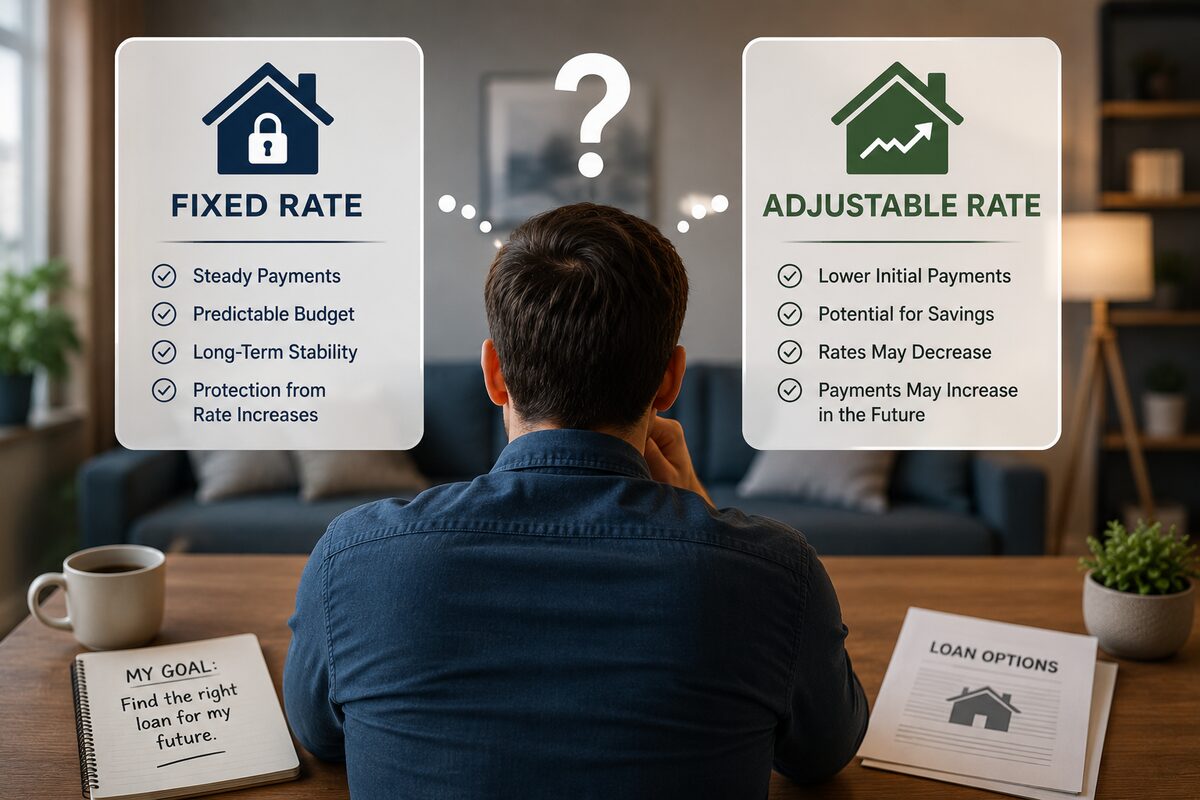
ARM vs Fixed: What Is a 5/6 ARM and When Does It Make Sense?
A 5/6 ARM carries an introductory rate for five years, then adjusts every six months. Learn how ARMs compare to fixed loans and when each makes sense.
Read more
How to Get Rid of PMI: Equity, Reappraisal, and Refinancing
Private mortgage insurance (PMI) on a conventional loan cancels automatically once your balance reaches 78% of the home's original value, but you don't have to wait that long. You can request removal at 20% equity, and if your home has appreciated, a reappraisal or refinance can eliminate it even sooner.
Read more
Gift Funds: The Rules for Down Payment Gifts
A family member can give you money for your down payment, and on most loan types the entire down payment can be a gift. The key rules: it has to be a true gift with no repayment expected, it must come from an acceptable source, and it has to be documented with a gift letter and a clear paper trail.
Read moreSeller Concessions: How Much Can the Seller Pay?
A seller concession is when the seller agrees to pay part of your closing costs as a term of the sale. It's a legitimate, common way to reduce your cash to close, and depending on the loan type and your down payment, a seller can contribute anywhere from 2% to 9% of the purchase price toward your costs.
Read moreWhat Credit Score Do You Need for Each Loan Type?
The minimum credit score depends entirely on the loan program: FHA goes as low as 500-580, VA and USDA have no federal minimum (lenders typically want 580-640), conventional generally starts around 620, and jumbo loans want 700 or higher. Here's the breakdown by program.
Read more