
Construction & Renovation Loans
Build your custom home or remodel the one you have with construction-to-permanent and renovation financing — one loan, one closing, and a rate locked before you break ground.
Construction-to-Permanent Financing
One loan, one closing, and a seamless transition from construction to a permanent mortgage.
Single-Close Construction
One loan, one closing. Lock your rate before breaking ground and make interest-only payments while your home is built.
- FHA, VA, and Conventional options
- Interest-only payments during the build
- Rate locked before construction starts
Custom Home Builds
Finance land and construction together and work with your chosen builder to create the home you’ve envisioned.
- Lot + construction combined financing
- Approved-builder requirements
- Milestone-based draw schedules
Renovation Loans
Buy a fixer-upper or remodel your current home and roll the repair costs into a single mortgage.
- FHA 203(k) Streamline & Standard
- Conventional renovation options
- Repairs financed in one closing

How a Construction Loan Works
Unlike a standard mortgage that funds an existing home in one lump sum, a construction loan releases money in stages as your build hits key milestones. You lock your rate up front, make interest-only payments during construction, and the loan converts to permanent financing once the home is complete.
Lock Your Rate Early
Secure financing terms before breaking ground for budgeting certainty.
Milestone Draw Schedule
Funds release in stages as inspections confirm completed work.
One Seamless Closing
Your construction loan converts to a permanent mortgage automatically.
Estimate Your Monthly Payment
See what your permanent mortgage payment could look like once construction is complete.
Monthly Payment Calculator
Calculate your estimated monthly mortgage payment including taxes, insurance, and HOA dues
Annual % of home price. Adjust in eighths (0.125%).
Annual % of home price. Adjust in eighths (0.125%).
Flat monthly homeowner association dues.
Why Build With LoansByEmmett
20+ years of experience guiding borrowers through construction and renovation financing.
Guidance at Every Draw
We help you manage builder documentation, budgets, and draw schedules so the process stays on track.
Multiple Program Options
FHA, VA, and Conventional construction and renovation programs matched to your goals and budget.
Competitive Pricing
As an independent broker, I shop multiple investors to find competitive terms for your build.
Construction Loan FAQs
What is a construction-to-permanent loan?
A construction-to-permanent loan finances the building of your home and then converts into a standard mortgage once construction is complete — all with a single application and one closing. You lock your rate up front and typically make interest-only payments during the build phase.
How is a construction loan different from a regular mortgage?
A regular mortgage funds the purchase of an existing home in one lump sum. A construction loan releases funds in stages (draws) as building milestones are met, then transitions to permanent financing. This structure requires builder documentation, a detailed budget, and milestone inspections.
Can I finance a renovation instead of a new build?
Yes. Renovation loans such as FHA 203(k) and conventional renovation programs let you roll the cost of repairs and improvements into a single mortgage — whether you’re buying a fixer-upper or remodeling the home you already own.
What do I need to qualify?
Construction financing generally calls for solid credit, a manageable debt-to-income ratio, a down payment, and an approved builder with a detailed construction contract and budget. We’ll walk you through the documentation and match you with the right program.
Ready to Build or Renovate?
Get a free construction loan consultation and find the right financing for your project.
Emmett Clark, NMLS #233747
From the blog & learning center
Home Buying Guides

Jumbo Loan Reserves: Why You May Need Less Than You Think
The generic "6 to 12 months of reserves" answer is often wrong for your situation. Some programs require as little as 3 months for qualifying scenarios.
Read more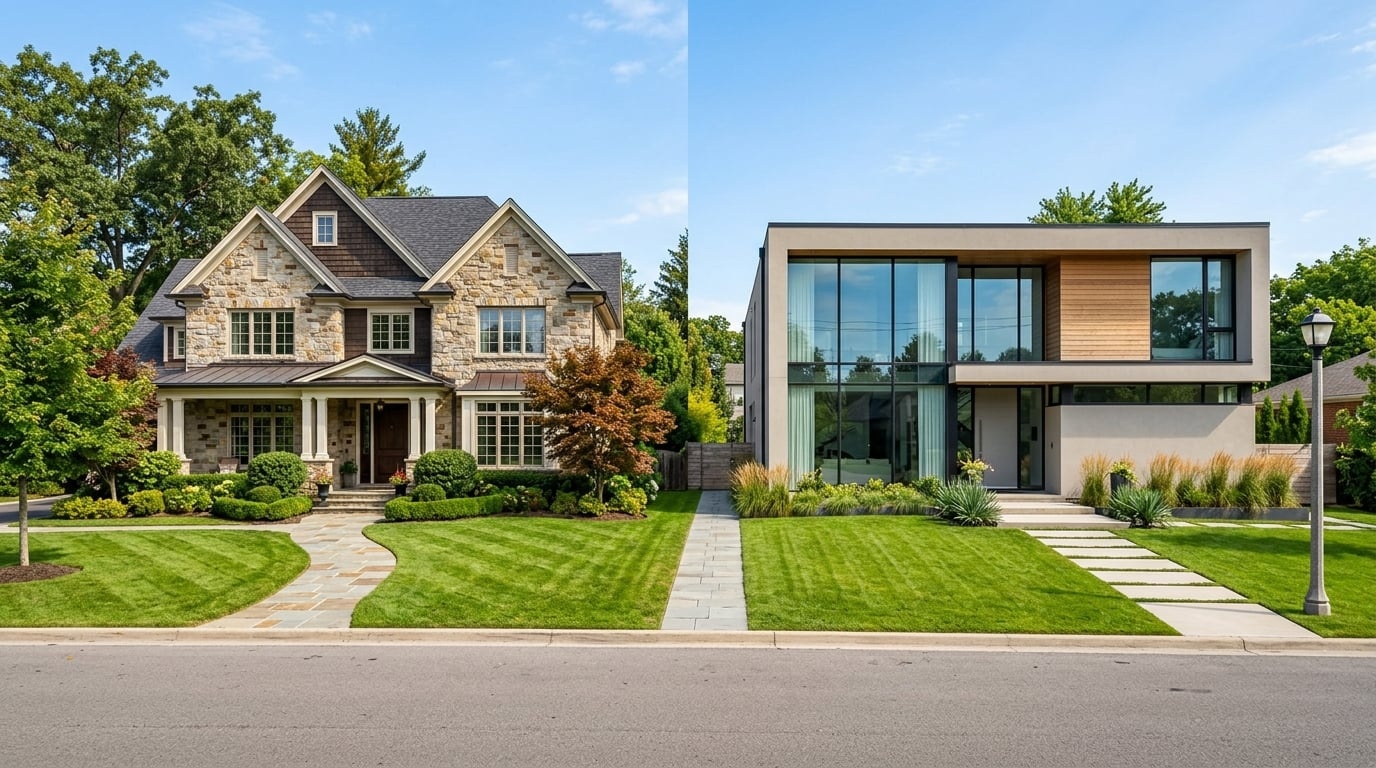
Jumbo vs Conforming: Which One Applies to You?
The difference comes down to one number: whether your loan amount is above or below the 2026 conforming limit of $832,750 (or $1,249,125 in high-cost areas).
Read more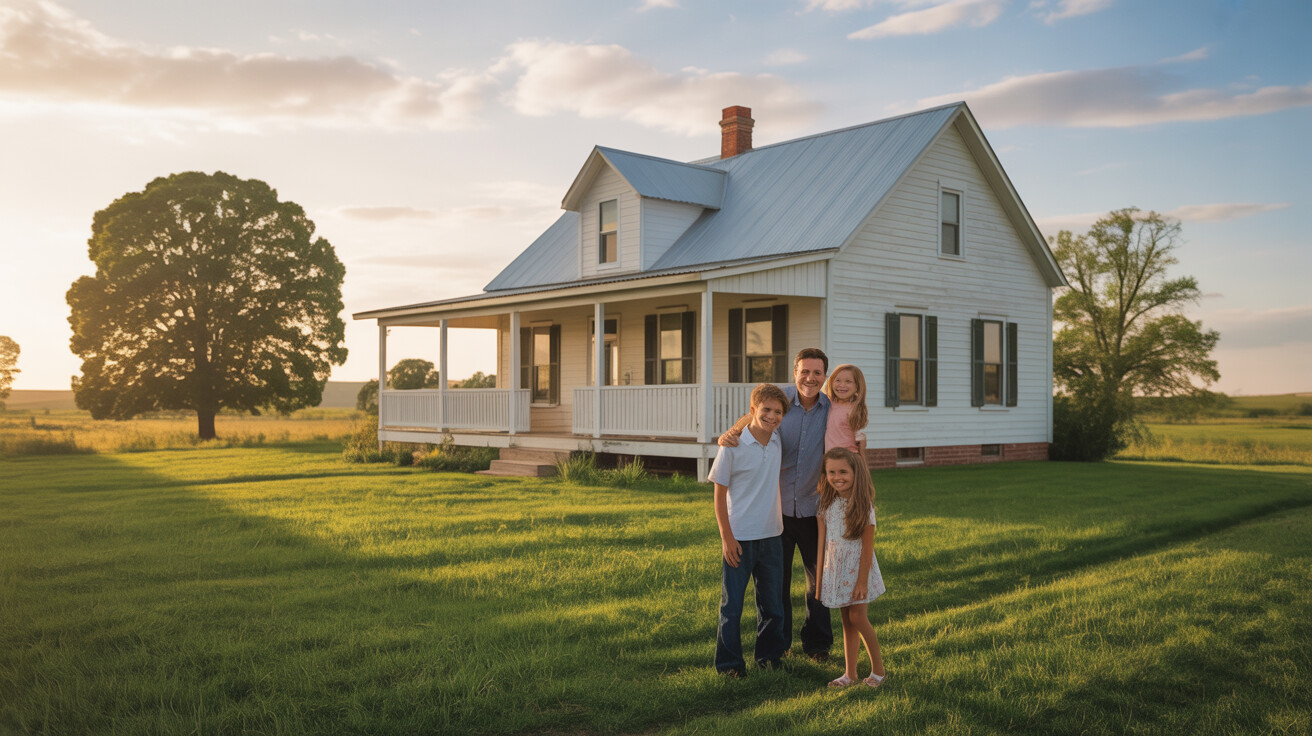
USDA Loan Income Limits 2026: How Much You Can Earn and Still Qualify
The 2026 USDA income limit is $112,450 for a 1-4 person household in most of the country, and $148,450 for a 5-8 person household, higher than most people assume.
Read more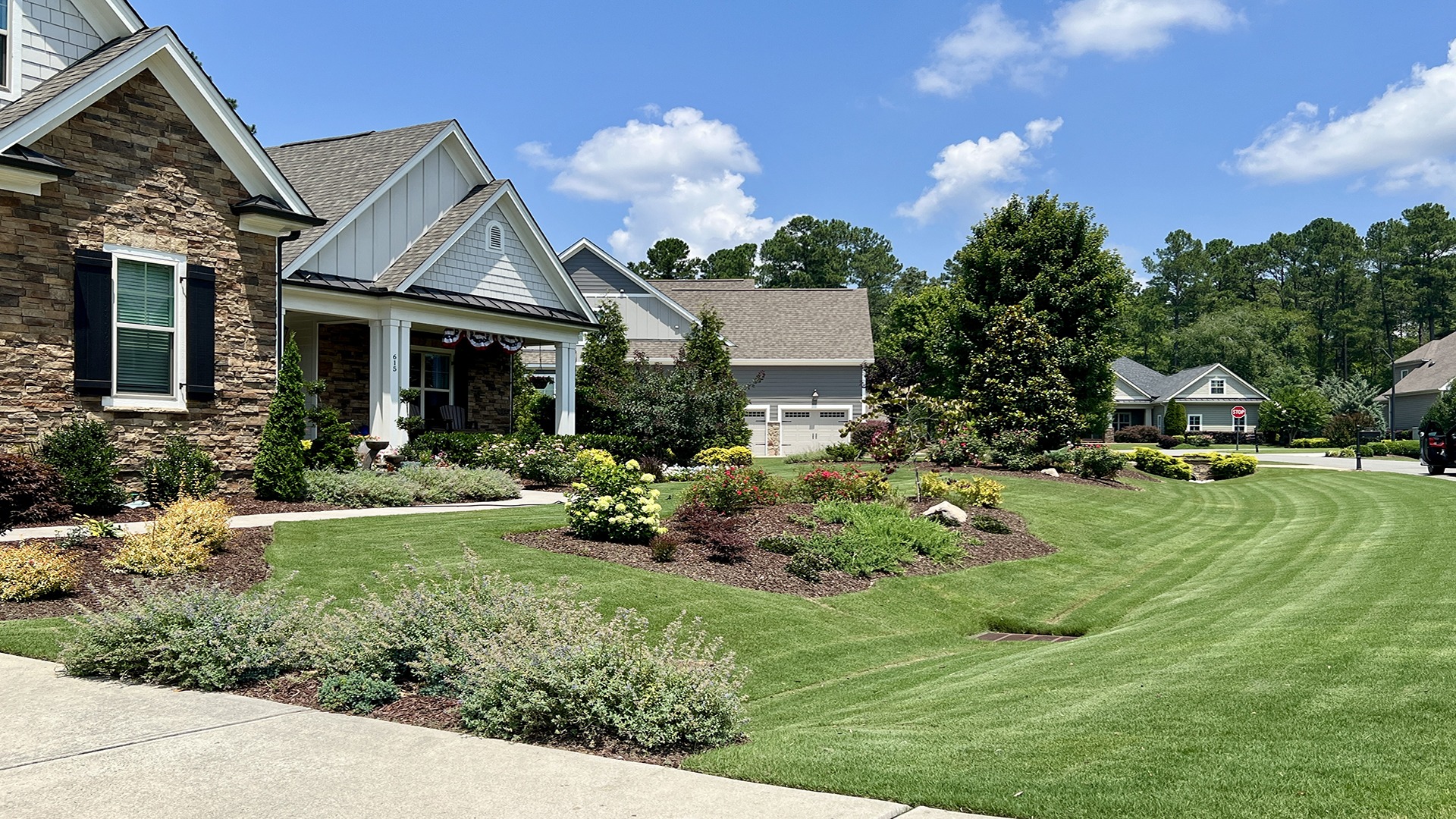
Is My Address USDA Eligible? How the Rural Map Actually Works
Roughly 97% of U.S. land area is USDA-eligible, including far more suburbs than people expect. Eligibility comes down to your exact street address, not your zip code.
Read more
USDA vs FHA: Which Is Actually Cheaper?
For buyers who qualify for both, USDA is usually the cheaper loan over time: zero down, a lower upfront fee, and a lower annual fee. FHA wins on flexibility.
Read more
What Credit Score Do You Need for a USDA Loan?
USDA itself sets no minimum credit score, but most lenders require 640 for automated approval. Scores below 640 route to manual underwriting, which is stricter but still possible.
Read more